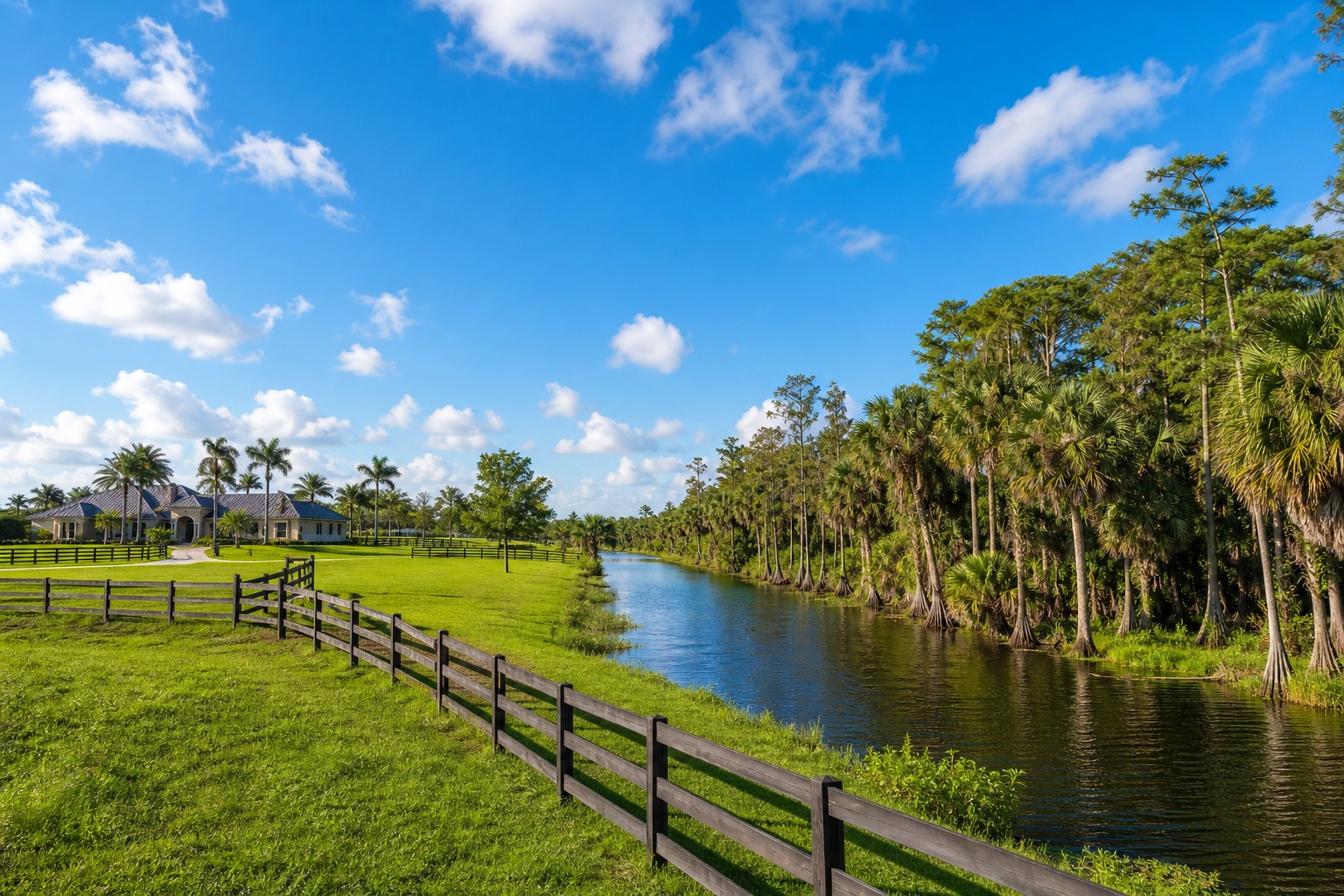
Davie Acreage Near the Everglades: A 2026 Buyer Guide
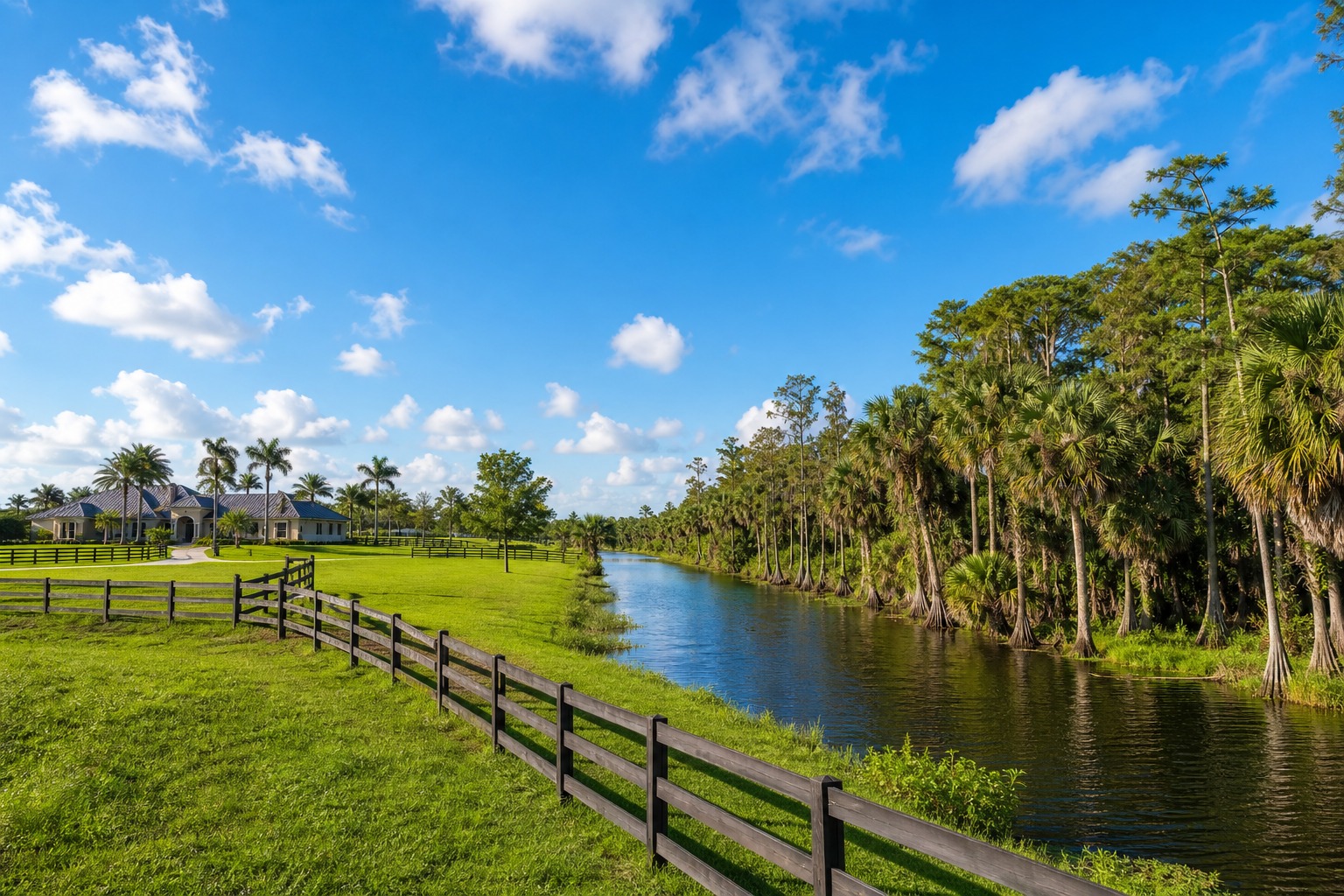
What should you check before buying Davie acreage near the Everglades?
Before you buy Davie acreage near the Everglades, verify three things: the flood zone and canal drainage, whether protected wildlife like a gopher tortoise lives on the lot, and how the western canals connect to the managed Everglades. Western Davie estates in ZIP 33330 often sit in the C-11 West basin, where a single gopher tortoise burrow can require an FWC permit before you build a barn or a pool.
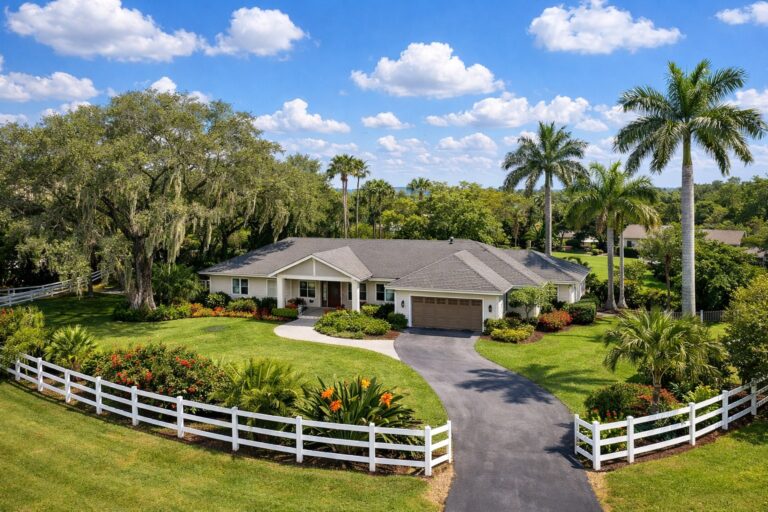
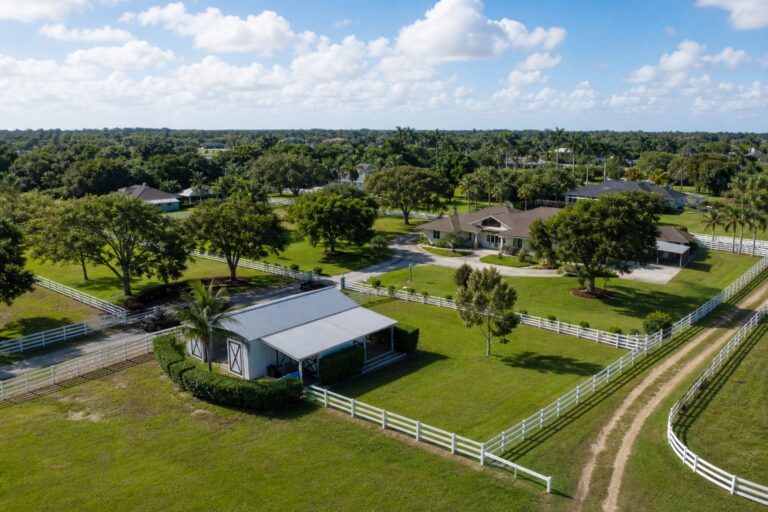
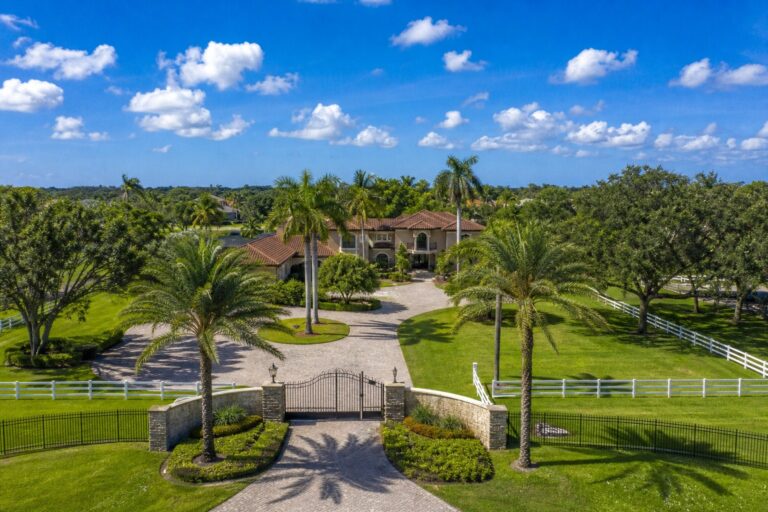
Davie acreage near the Everglades is some of the most private land left in Broward County. You get an acre or more, room for horses, and no rooftops six feet from your bedroom window. You also take on due diligence that a standard subdivision home never asks of you. The land, the water, and the wildlife are the product here, and each one carries a cost you want priced in before you close, not discovered after.
Here is what I walk every buyer through when they call me about a western Davie estate.
The water to your west is a managed piece of the Everglades
Most of the acreage west of Nob Hill Road sits in the C-11 West drainage basin. Stormwater from that side of town flows into the C-11 canal, also called the South New River Canal and known locally as the Griffin Road canal. The South Florida Water Management District runs the S-9 pump station that lifts that water west into Water Conservation Area 3A, which is the managed Everglades buffer. In plain terms, the canals behind these homes are one link in a system that runs straight into the Everglades.
That system is the physical reason wildlife moves between the conservation land and your backyard. It is also why your flood zone matters more here than almost anywhere else in Davie. Verify the exact zone for the parcel through the FEMA Flood Map Service Center and read the Davie flood zone breakdown before you write an offer. Zone AE and Zone X carry very different insurance numbers, and on a canal lot the difference can run into thousands of dollars a year.
You will also have real conservation land nearby. Long Key Natural Area (33330) covers 126.86 acres at 3501 SW 130th Avenue in western Davie. That kind of preserve is part of what makes the acreage corridor feel remote. It also feeds the wildlife picture you are about to buy into.
Alligators and wildlife come with the canals
Yes, there are alligators in these canals and lakes. That is not a reason to walk away. It is a reason to understand the rules and set up the lot correctly.
The Florida Fish and Wildlife Conservation Commission treats an alligator as a nuisance when it is at least four feet long and is believed to pose a threat to people, pets, or property. If you have one that fits that description, you call the FWC Nuisance Alligator Hotline and FWC dispatches a contracted trapper. FWC will not remove a gator from your private property without your permission. Feeding alligators is illegal in Florida, because a fed gator loses its fear of people.
One of the most common questions I get sounds like this: “We are moving to a canal lot with a pond and two little boys. How worried should we be?” The honest answer is that the risk is real and it is manageable. FWC guidance is simple. Keep pets leashed and away from the canal and lake banks, avoid walking a dog at the water’s edge, and put a fence between the yard and the water. Children are at risk only when they play right at the bank, so setback and a fence do most of the work. The Town of Davie Wildlife Conservation and Protection program publishes local guidance on protected, regulated, and nuisance wildlife that is worth reading before you close.
Snakes, wading birds, and the occasional gopher tortoise come with the territory too. Most of it is harmless if you keep your distance. The tortoise is the one that can cost you real money, so it gets its own section.
A gopher tortoise on your lot can delay your barn or your pool
This is the surprise that never shows up on the MLS listing. Gopher tortoises and their burrows are protected under Florida law as a state listed Threatened species. You cannot disturb a burrow without a relocation permit from FWC, and disturbance means any ground work within 25 feet of a burrow. If your barn, pool, guest house, or paddock plan touches that 25 foot circle, you are in permit territory.
Here is how to handle it before you build:
1. Walk the lot and look for burrows. A gopher tortoise burrow has a wide half moon shaped opening with a mound of loose sand in front.
2. Keep all ground work 25 feet or more away from any burrow until you have a permit in hand.
3. Hire an FWC authorized gopher tortoise agent. FWC does not relocate the tortoise for you.
4. Apply for the 10 or Fewer Burrows Relocation permit, which covers a single family project of up to five tortoises and ten burrows.
5. Budget for the relocation and the FWC mitigation contribution before you finalize your construction timeline.
The numbers matter. Authorized agent relocation starts around $1,400 for up to two tortoises with the permit included, plus roughly $400 for each additional animal. On top of that, FWC sets a mitigation contribution that has ranged from $234 to $6,318 per tortoise. A buyer who plans to add a barn or a pool can hit a permit cost and a timeline delay that changes the whole project math. This is exactly the kind of thing to confirm while you still have inspection contingencies, and it ties directly into what you are actually allowed to build on a Davie lot.
What this means for the western Davie acreage you are considering
The western acreage corridor is a specific market. Long Lake Ranches (33330) alone holds more than 240 homes on lots that run from a half acre to about an acre and a half, with prices roughly in the $1.2 million to $2.5 million range. Davie agricultural zoning lets many of these half acre and full acre lots keep horses, chickens, and other livestock, which is a large part of why buyers come here in the first place. You can dig deeper into the segment in the Davie acreage and equestrian guide.
None of the due diligence above is a reason to avoid this land. It is a reason to buy it with your eyes open. The flood zone, the canal setback, the wildlife on the parcel, and any protected burrow are all knowable before you close, and each one has a dollar figure attached. When you know those numbers going in, you write a stronger offer and you protect your build plans. That is the whole point of doing this work before the contract, not after.
Every parcel out here is different, and the only way to know your specific numbers is to pull them on the actual address. That is the conversation I have with buyers before we ever write an offer, and it is part of how I walk clients through the Davie buying process from first showing to closing.
Frequently Asked Questions
Are there alligators in the canals behind Davie acreage homes?
Yes. The freshwater canals and lakes in western Davie connect to the Everglades system, so alligators move through them. FWC treats a gator as a nuisance once it reaches at least four feet and appears to pose a threat, and you report those to the FWC Nuisance Alligator Hotline. A fence between the yard and the water plus leashed pets away from the bank handles most of the day to day risk.
Do I need a permit if there is a gopher tortoise on my Davie lot?
If you plan any ground work within 25 feet of a burrow, yes. The gopher tortoise is a state listed Threatened species, and you need an FWC relocation permit before you disturb a burrow. Single family projects use the 10 or Fewer Burrows Relocation permit, and you hire an FWC authorized agent to do the relocation. Budget for both the agent fee and the FWC mitigation contribution.
Is western Davie acreage in a flood zone?
Much of it drains through the C-11 West basin, and many canal and lakefront parcels fall in Zone AE. That does not make the land unbuildable, but it changes your insurance cost and sometimes your elevation requirements. Verify the exact zone for the parcel on the FEMA Flood Map Service Center before you commit.
What is the water and the levee west of my Davie property?
That is the managed edge of Water Conservation Area 3A, the Everglades buffer. Water from your side of Nob Hill Road flows into the C-11 canal and is pumped west into that conservation area by the S-9 pump station. It is a working piece of the regional water system, which is why the wildlife and the flood rules both trace back to it.
Can I still keep horses on Davie acreage near the Everglades?
In most of the western corridor, yes. Davie agricultural zoning permits horses and other livestock on many half acre and full acre lots, which is a core reason this land trades at a premium. Confirm the zoning and any deed restrictions on the specific parcel, since they vary lot to lot.
Talk to a Davie Real Estate Expert
If you are seriously weighing a western Davie acreage estate, the smartest next step is a direct conversation about the actual parcel. I can help you read the flood zone, the wildlife picture, and the build limits before you write an offer, and give you an honest second opinion if you are already working with another agent. Schedule a Davie strategy call and we will run your specific numbers together.
Anthony Spitaleri
Living in Davie Florida
954-235-5783
Davie, Florida
livingindavieflorida.com
Written by Anthony Spitaleri, Broker Associate with Coldwell Banker and a Davie native. More about Anthony