Seller Rent Back After Closing in Davie FL: How It Works
Can a seller stay in their home after closing in Davie, Florida?
Yes. In Davie a seller can stay after closing through a post closing occupancy agreement, FAR/BAR Rider U. The seller pays the buyer a daily occupancy fee, usually the buyer’s monthly PITI payment divided by 30, and the title company holds a security deposit from the seller’s proceeds. Most rent backs run 30 to 60 days because FHA rules and most conventional lenders require the buyer to move in within 60 days of closing.
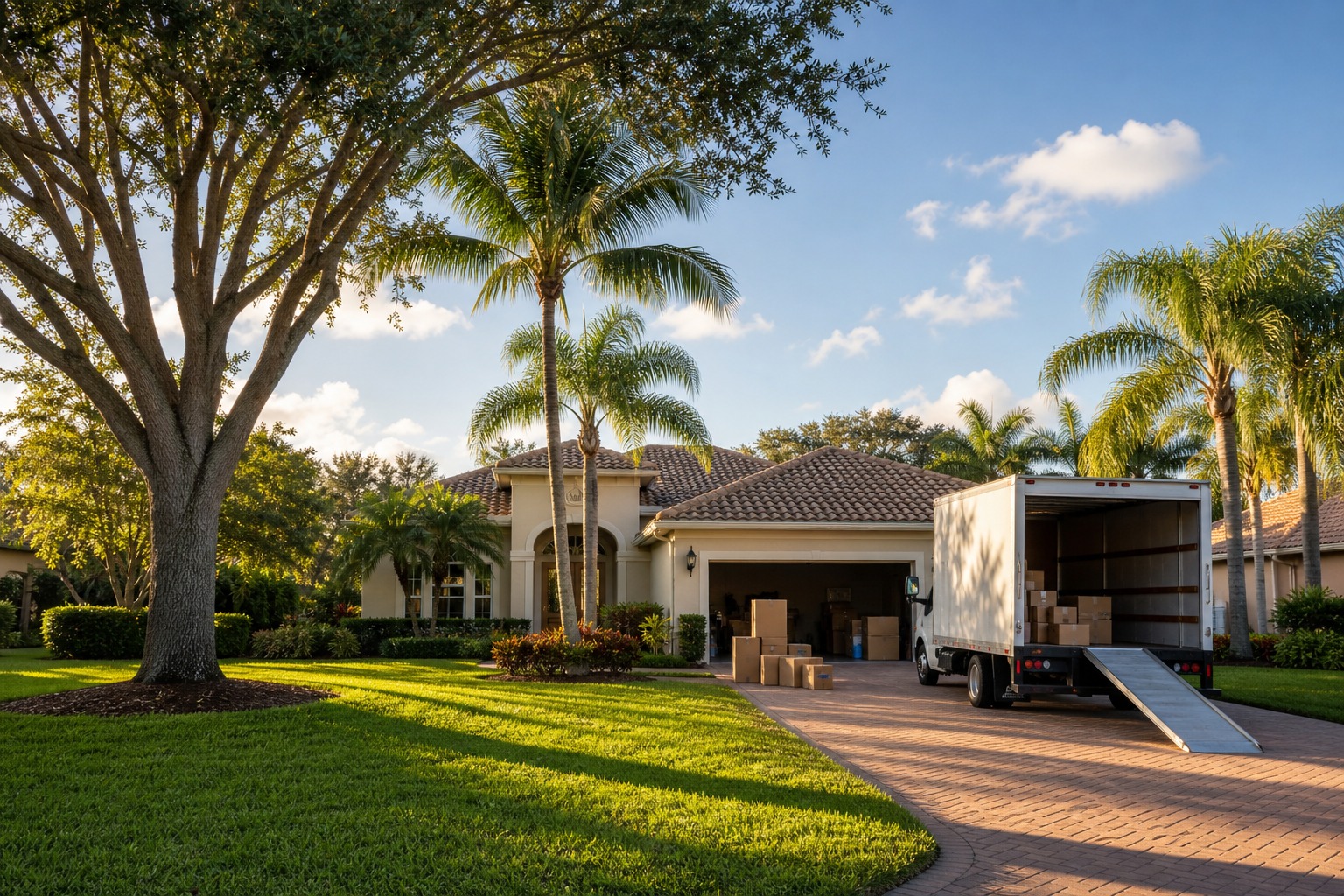
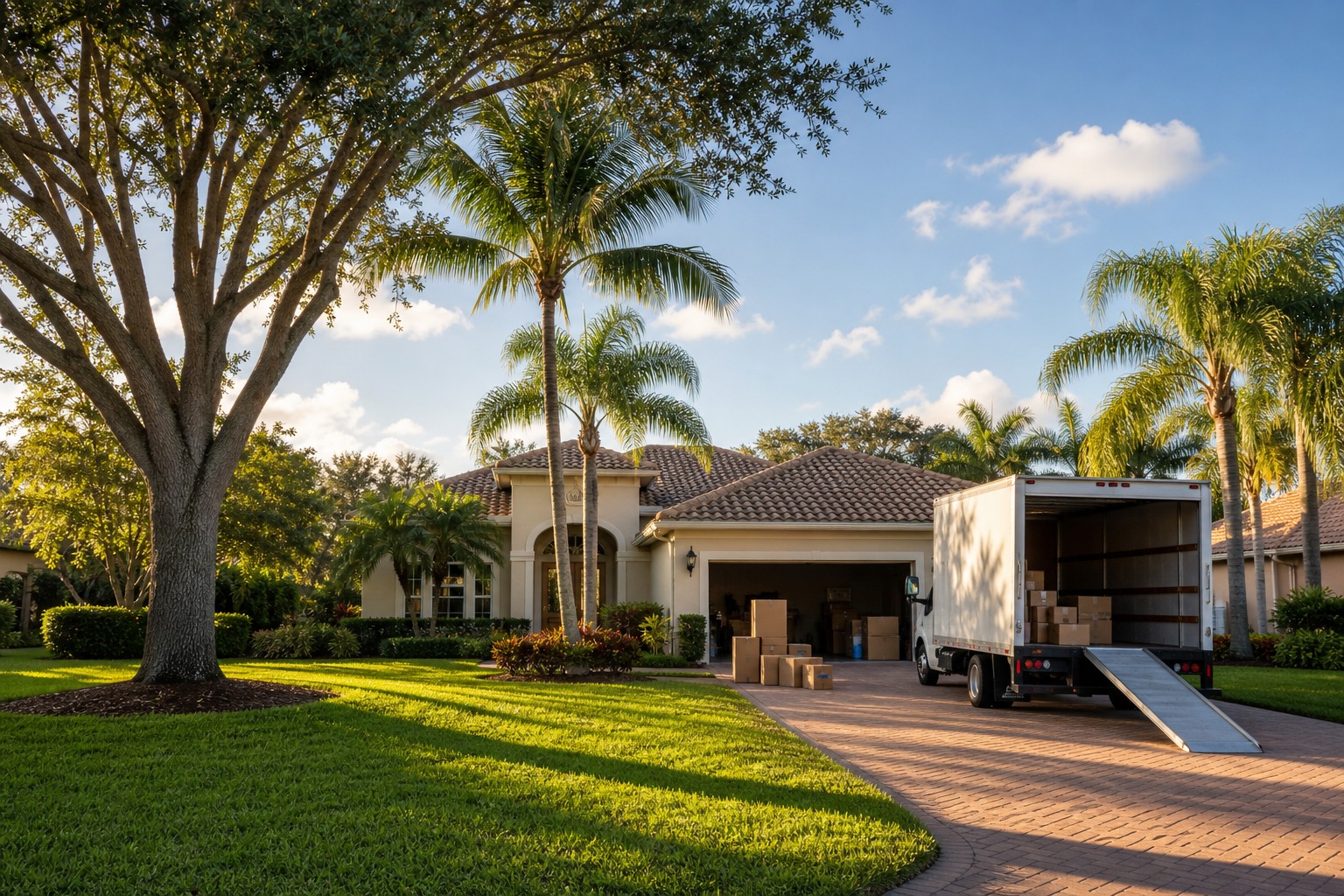
A seller rent back after closing in Davie Florida is a short arrangement that lets you sell your home, collect your proceeds, and stay in the house for a set number of days while your next purchase comes together. It shows up most in a move up market, where you close on the sale first and need a bridge before you take keys to the next place.
Here is how it works, what it costs, and what happens if the timeline slips.
How a Davie rent back actually works
The whole arrangement runs on one form. When you sell on the standard Florida contract, a seller staying after closing is governed by FAR/BAR Rider U, the post closing occupancy rider. The rider sets a deadline for both sides to sign a written occupancy agreement, and that deadline defaults to 10 days before closing. If you and the buyer cannot agree on the terms by then, either party can cancel.
That default is the part most people miss. Put the occupancy terms in writing early rather than treating them as a handshake, because the rider’s core function is the right to walk away if the lease terms are never nailed down.
Rent backs are kept short on purpose. Most run 30 to 60 days. The 60 day line is not arbitrary. FHA rules require the buyer to occupy the home as a primary residence within 60 days of closing, and most conventional lenders hold to the same window, so a longer stay puts the buyer’s financing at risk. If you need more than 60 days, that is a different conversation, and it usually points toward a true lease rather than a rent back.
What you pay to stay
Three numbers drive a rent back.
- Occupancy fee. You pay the buyer for the days you stay. The common formula is the buyer’s monthly PITI, meaning principal, interest, taxes, and insurance, divided by 30 for a daily rate. Some agreements use a flat market rate instead. Either way, it is often collected up front at closing.
- Security deposit. The title company holds a deposit out of your sale proceeds. It covers unpaid occupancy fees, damage beyond normal wear, or anything left behind. You get it back once the buyer confirms the home is clear and undamaged.
- Insurance. This is the gap that burns people. On the day you close, the buyer owns the home and carries the dwelling policy. You no longer hold a homeowner policy on a house you sold, so you need your own renter or personal liability and contents coverage for the occupancy window. Skip it and both sides are exposed if something goes wrong.
The occupancy fee and deposit come straight out of what you walk away with, on top of your normal Davie closing costs. Run all three through your seller net sheet before you agree to anything.
What happens if the seller will not leave
This is the buyer’s real fear, and it deserves an honest answer. If a seller stays past the agreed move out date in Florida, they are a holdover occupant, not a tenant. That distinction changes how they can be removed.
A holdover is handled through an unlawful detainer action under Florida summary procedure, not a landlord tenant eviction, and not a call to the police. In Broward County that process runs roughly five weeks, and a straightforward residential unlawful detainer carries a flat legal fee in the range of $2,000, more if it is contested. Most occupancy agreements also build in a holdover penalty, commonly $150 to $500 per day, to give the seller a firm reason to be out on time.
None of this is meant to scare either side off. It shows why the written agreement, the deposit, and a hard move out date matter. Handled right, a rent back is routine.
Why this keeps coming up in Davie right now
Broward single family homes are selling around 96 percent of list price, and inventory tightened to about 4.3 months of supply by June 2026, per MIAMI Realtors. Well priced Davie homes still move fast, often in under a month. That combination creates a specific problem for move up sellers. Your current home sells quickly, but your next one is not ready, so you close first and need somewhere to live for a few weeks. The rent back is the bridge.
If you are selling and buying at the same time, map the occupancy terms into your offer from the start. It is one of the details I walk sellers through before we list, because it shapes both your timeline and your net.
Frequently Asked Questions
How long can a seller stay in the house after closing in Florida?
Most rent backs run 30 to 60 days. The practical ceiling is 60 days because FHA rules require the buyer to occupy the home as a primary residence within that window, and most conventional lenders apply the same standard. Anything longer usually needs to be structured as a lease, not a post closing occupancy.
Who pays for insurance during a rent back?
Both sides carry a policy. The buyer owns the home at closing and carries the dwelling or hazard coverage. The seller who stays needs their own renter or personal liability and contents policy for the occupancy period. This is the single most overlooked piece of a Davie rent back.
How much does a seller pay to stay after closing?
The typical occupancy fee is the buyer’s monthly PITI divided by 30 for a daily rate, or an agreed flat market rate. It is often prepaid at closing. On top of that, the title company holds a security deposit out of the seller’s proceeds until the home is handed over clean and undamaged.
What if the seller will not leave after closing?
A seller who overstays is a holdover, removed by an unlawful detainer action under Florida summary procedure, not a landlord tenant eviction. In Broward County that runs about five weeks and roughly $2,000 in legal fees for a simple case. A daily holdover penalty in the agreement, often $150 to $500, is what keeps this from happening.
Should a buyer allow a rent back in Davie?
It can be a smart way to win a strong seller, as long as the terms are firm. Require a written occupancy agreement, a daily fee, a security deposit held by the title company, proof of the seller’s liability insurance, and a hard move out date backed by a holdover penalty. With those in place, the risk is small and manageable.
Talk to a Davie Real Estate Expert
If you are selling and buying in Davie at the same time, a rent back can be the difference between a smooth move and two stressful closings. The right terms depend on your numbers, your timeline, and the buyer you are working with. Schedule a strategy call and we will map your occupancy terms and your net before you list.
Anthony Spitaleri
Living in Davie Florida
954-235-5783
Davie, Florida
livingindavieflorida.com
Written by Anthony Spitaleri, Broker Associate with Coldwell Banker and a Davie native. More about Anthony