Buying Davie Acreage on a Private Road: What to Verify
What do you need to verify before buying a Davie home on a private road?
Before you buy a Davie acreage home on a private road, confirm three things: who legally owns the road and your recorded right to use it, whether a recorded road maintenance agreement sets out who pays for upkeep, and how your lender treats private road access. In western Davie’s acreage corridor (33330), many estate streets are privately held, so verify access and maintenance in the title work before you remove your inspection contingency.
A lot of buyers fall in love with the space out west, the oak canopy, and the horse zoning, then find out at the closing table that the pretty road to the house is not the Town’s responsibility. It is theirs, and their neighbors’. That is not a reason to walk away. It is a reason to read the paperwork before you are committed.
This is one of the questions I walk every acreage buyer through, right next to the well, the septic, and the flood zone. Here is how to check it properly.
Why western Davie estate streets are often private
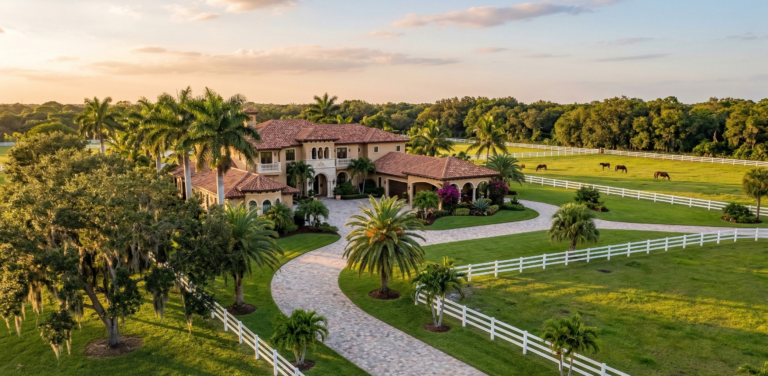
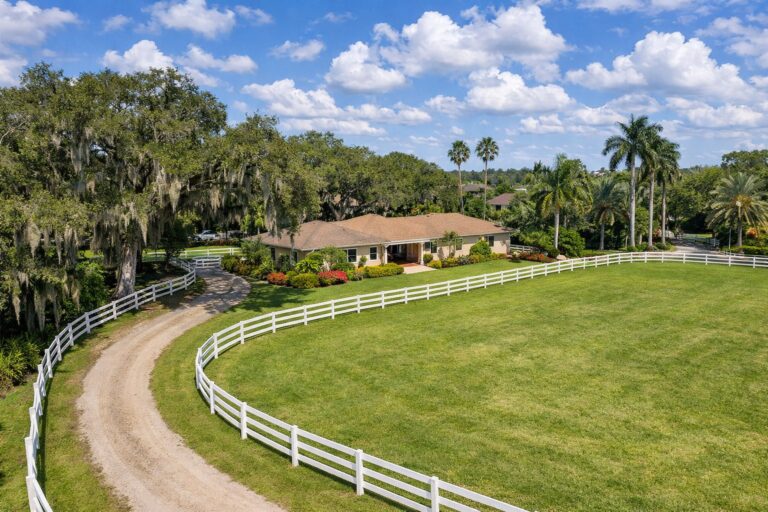
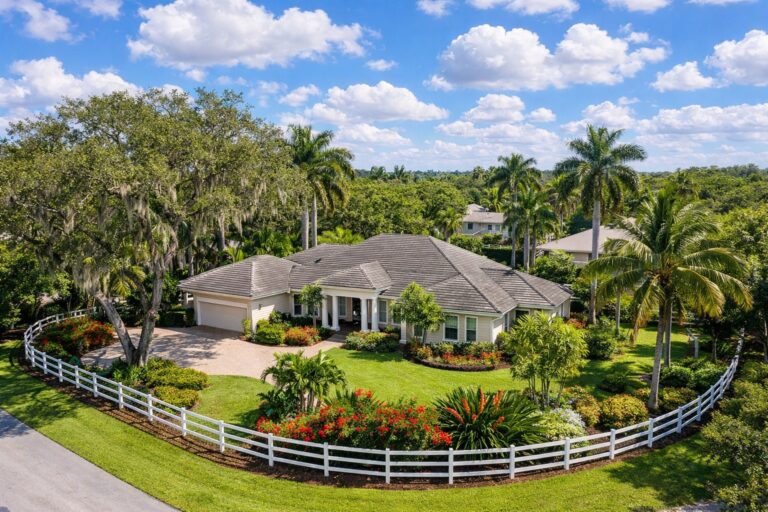
Davie grew up as farm and ranch land, and a lot of that character survives in the western acreage corridor. Communities like Long Lake Ranches (33330) and the no HOA acreage pockets around it sit on large lots with A-1 agricultural zoning and horse rights. The broader western corridor includes other planned communities such as Hawkes Bluff, though zoning, lot character, and HOA structure vary by development, so confirm the specific parcel before assuming agricultural or equestrian rights apply. When those areas were platted, some of the interior streets were dedicated to the Town of Davie and some were kept private, owned either by an association or by the individual owners whose parcels front the road.
A public road is built, paved, drained, and repaired on the Town’s dime. A private road is on the owners. That single distinction changes who pays when the asphalt cracks, who plows the drainage after a storm, and sometimes whether a lender will finance the home at all. It has nothing to do with how nice the street looks today. A freshly paved private lane and a rough Town road can sit two blocks apart.
If you are still deciding between a gated community and open Davie acreage homes, road ownership belongs on your compare list next to lot size, HOA dues, and what you can actually build on the lot.
Verify road ownership and your legal access
Start with two questions. Who owns the road, and do you have a recorded, permanent right to use it to reach your property? Access sounds obvious when you can drive right up to the front door, but a driveway you can see is not the same as a legal right that survives a boundary dispute or a new owner next door.
Here is where the answers live:
1. The survey. A current boundary survey shows the road, the easements, and whether your parcel touches a dedicated public right of way or reaches the street through an easement over someone else’s land. Read Schedule B-II of your title commitment against the survey so every easement matches.
2. The plat and the deed. The recorded plat tells you what was dedicated to the Town and what stayed private. Your deed and the chain of title show any recorded ingress and egress easement that gives you access.
3. The public records. You can pull the parcel, the plat, and recorded documents yourself through the Broward County Property Appraiser and the county’s official records at Broward County. The Town of Davie engineering and planning offices can confirm whether a specific street was accepted for public maintenance.
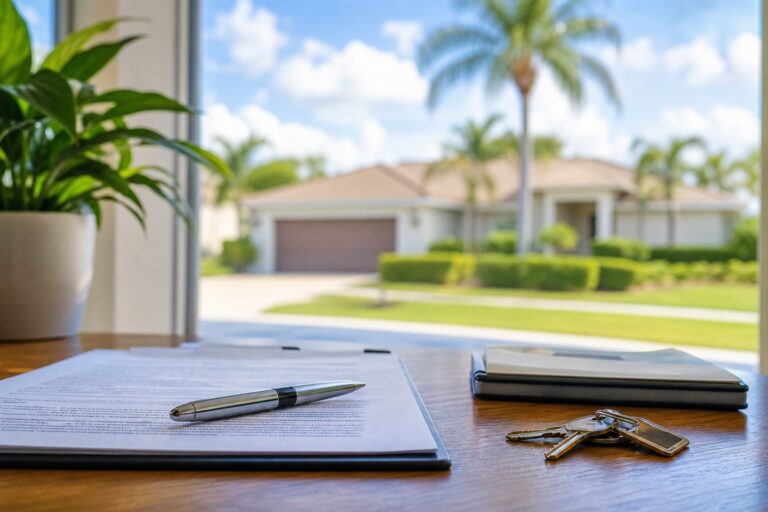
If the road reaches your home across a neighbor’s land, you want that access written down and recorded, not a friendly handshake that leaves with the current owner. A recorded easement runs with the land. A verbal understanding does not. This is exactly the kind of detail I check before a client removes the inspection contingency, because after that your room to ask for a fix is gone.
Road maintenance agreements: who pays for upkeep
Once you know the road is private, the next document is the road maintenance agreement, sometimes called an RMA. It is a recorded agreement among the owners who share the road that answers the questions that start fights later. Who maintains it. How costs are split. How a repair gets approved and paid for. What happens when one owner refuses to chip in.
A good agreement spells out the cost sharing formula, a way to collect from an owner who will not pay, and a standard for how the road is kept up. A missing or vague agreement is the risk. Without one, a repaving or a washed out culvert becomes a negotiation among neighbors with no rules, and that can stall for years while everyone drives around the pothole.
Ask for the recorded agreement during your inspection period and read it. Two things matter most:
- Your share. Understand what you are agreeing to fund each year and how a large repair like repaving or drainage work gets assessed. Costs for grading, paving, and culvert repair vary widely by the length and condition of the road, so get real quotes for your specific street rather than a rule of thumb, and treat any figure you are handed as something to confirm with a local contractor.
- Enforceability. An agreement that cannot make a non paying neighbor contribute is thin protection. Yes, you can be asked to help pay for repairs on a shared road even when your own use did not cause the damage, so the fairness of the formula is worth your attention before you buy.
If the neighborhood has no agreement at all, that is not automatically a deal killer, but it is a conversation to have with your agent and a real estate attorney before you are under contract. For the broader set of well, septic, zoning, and access questions that come with these properties, our Davie rural property answers collect the recurring ones in one place.
How your lender treats a private road
Financing is where a private road quietly stops some deals, so bring it up with your loan officer early. Lender rules vary by loan type and can change, so confirm the current requirement with your own lender rather than assuming.
The general shape is this. Conventional loans sold to Fannie Mae used to require a recorded road maintenance agreement in more cases, and Fannie loosened that rule years ago, so today it often turns on the lender’s own overlay. FHA, VA, and USDA loans generally focus on a permanent recorded easement that guarantees legal access to the property, rather than a full maintenance agreement. In plain terms, every program wants proof that you can legally get to the house and that the road will not become an orphan nobody maintains.
What that means for you as a buyer:
- Tell your lender the home is on a private road before you write the offer, so any road document requirement shows up in the loan approval and not three days before closing.
- If a recorded easement or maintenance agreement is missing, it can sometimes be created or recorded before closing, but that takes cooperation from neighbors and time, so you want to know early.
- A cash purchase removes the lender’s requirement, but it does not remove the risk. You still want the access and the maintenance terms recorded for your own protection and for the day you sell.
None of this should scare you off the western acreage. It is some of the best land in Broward County, and the space is the whole point. It just rewards a buyer who reads the documents. If you want a second set of eyes on a specific street before you commit, that is part of buying a home in Davie the right way.
Frequently Asked Questions
Do I need a road maintenance agreement to get a mortgage on a Davie acreage home?
It depends on your loan type and your lender. Conventional lenders may or may not require a recorded road maintenance agreement depending on their overlay, while FHA, VA, and USDA loans generally focus on a permanent recorded easement for legal access. Confirm the exact requirement with your lender before you write the offer, because fixing a missing document takes time and neighbor cooperation.
Who owns the private road in my Davie acreage neighborhood?
It is usually owned either by a homeowners association or by the individual owners whose parcels front the road, depending on how the neighborhood was platted. The recorded plat, the deed, and the parcel records at bcpa.net show you the answer. The Town of Davie can confirm whether a specific street was ever accepted for public maintenance.
Who pays to repave or repair a private road in Davie?
The owners who share the road pay, based on what the recorded road maintenance agreement says. Costs for paving, grading, and drainage vary widely by the road’s length and condition, so get quotes for your specific street and confirm your share in the agreement before closing. If there is no agreement, repair decisions can stall because there are no rules for splitting the bill.
Is a home on an unpaved road in Davie harder to insure or finance?
An unpaved or shared private road can add lender conditions, usually around proof of recorded legal access and maintenance, so raise it with your loan officer early. Insurance is driven more by the home itself, its roof, and its flood zone than by the road surface, but access can matter for emergency response, so verify both the access documents and your insurance quote during your inspection period.
Talk to a Davie Real Estate Expert
The listings you can find yourself. What you cannot pull up online is whether the road to that acreage home is truly yours to use, what the maintenance agreement really obligates you to fund, and how your lender will treat it. That read is the job, and it happens before you are committed, not after. If you are looking at acreage in western Davie, schedule a strategy call and we will walk through the specific street together.
Anthony Spitaleri
Living in Davie Florida
954-235-5783
Davie, Florida
livingindavieflorida.com
Written by Anthony Spitaleri, Broker Associate with Coldwell Banker and a Davie native. More about Anthony