Earnest Money in Davie FL: How Much You Need and When You Get It Back (2026)
If you are about to write an offer on a Davie home, earnest money is the first real check you write, and it is the one buyers worry about most. The questions are always the same. How much do I need, when is it due, who holds it, and can I lose it. This guide answers all four with current Florida contract rules and Davie price points so you know exactly what you are committing before you sign.
Earnest money in Davie runs 1 to 3 percent of the purchase price, so roughly $5,300 to $15,900 on a $530,000 home. Under the standard Florida FAR/BAR contract it is due within 3 business days of the effective date, held in escrow by a neutral third party rather than the seller, and credited toward your costs at closing. You get it back if you cancel inside a valid contingency with written notice before the deadline.

How Much Earnest Money You Need in Davie
In most South Florida transactions earnest money lands between 1 and 3 percent of the purchase price. One percent is the baseline that sellers and listing agents generally treat as acceptable. Two to three percent is what buyers use to stand out when a home is well priced and drawing competing offers.
Run the math against Davie’s market and the numbers get real fast. The median Davie home sits near $530,000 in 2026. At that price 1 percent is about $5,300, 2 percent is about $10,600, and 3 percent is about $15,900. A larger deposit signals a serious buyer and can strengthen an offer, but it also puts more of your cash at risk if you default outside your contingencies, so the right number is a strategy decision, not a default. The deposit is not an extra cost on top of the purchase. It is credited toward your closing costs and purchase price at the table, the same way the rest of your funds are. For the full picture of what you bring to closing, the Davie closing costs guide breaks down where the deposit fits against your other buyer costs.
When Earnest Money Is Due and Who Holds It
Under the standard Florida FAR/BAR contract your earnest money is due within 3 business days of the effective date. The effective date is the day the contract is fully signed by both you and the seller, not the day you first made the offer. Miss that 3 day window and you are in breach before the deal even gets going, so line up your funds before you sign.
The money does not go to the seller. It is held in escrow by a neutral third party, usually the title company or the listing broker’s escrow account, and Florida rules require the broker to deposit those funds by the end of the third business day. That neutral hold is the entire point. Your deposit sits with a party that answers to the contract, not to either side, and it is released only as the contract specifies or as buyer and seller agree in writing. If you want to understand the role that escrow holder plays through the rest of the deal, the Davie title insurance guide walks through what the title company does from contract to closing.
When You Get Your Earnest Money Back
This is the part that keeps buyers up at night, and the answer is more reassuring than most expect. You generally recover your full deposit when you cancel strictly in line with a valid contingency and give proper written notice before that contingency’s deadline. The standard contract is built with these exit ramps on purpose.
1. Inspection contingency. The FAR/BAR AS IS contract gives you a default inspection period of 15 calendar days from the effective date. Inside that window you can cancel for any reason and recover your deposit in full. This is the widest exit ramp in the contract. The Florida inspection period guide for Davie buyers covers how to use it and what to check before it closes.
2. Financing contingency. The loan approval period is negotiated, commonly around 30 days. If your lender denies you in writing inside that window and you applied in good faith, you cancel and recover the deposit.
3. Title contingency. You get a window, commonly about 5 business days after receiving the title commitment, to object in writing to defects in title.
Cancel correctly inside any of these, in writing, before the clock runs out, and the deposit comes back to you. The discipline is in the documentation and the calendar, not in the goodwill of the other party.
When You Lose Your Earnest Money
You lose the deposit when you default outside a valid contingency. The most common version is simple. A buyer waives or runs out the inspection, financing, and title windows, then decides to walk away anyway, whether from cold feet, a job change, or new debt taken on after the contract. At that point the contingencies that protected the deposit are gone, and the seller may be entitled to keep it as liquidated damages.
The trap is almost always a deadline, not a dramatic dispute. Florida contracts run on a “time is of the essence” rule, which means deadlines are absolute. Miss a contingency deadline without giving written notice and that contingency is deemed waived, so the protection it gave you disappears even though you never intended to give it up. Buyers who lose deposits rarely lose them in a courtroom fight. They lose them by letting a date pass. Track every deadline in your contract from the day you sign, and treat the financing deadline as your last real out, because it is usually the final exit ramp before the deposit goes hard. Knowing the FAR/BAR seller disclosure rules in Davie also helps you spot issues early enough to act inside your windows rather than after they close.
How to Protect Your Davie Deposit
Treat the deposit like the five figure commitment it is and the risk drops sharply.
1. Have your funds ready before you sign. The 3 day clock starts at the effective date. Confirm your wire or check is ready so you never miss the deposit deadline.
2. Calendar every contingency deadline. Write the inspection, financing, and title deadlines on a single calendar the day the contract is effective. These dates are your protection and they are absolute.
3. Cancel in writing, never verbally. Every cancellation inside a contingency must be in writing and delivered before the deadline. A phone call does not protect your deposit.
4. Keep the financing contingency intact until your loan is solid. Do not waive it to win an offer unless you are prepared to lose the deposit if the loan falls through.
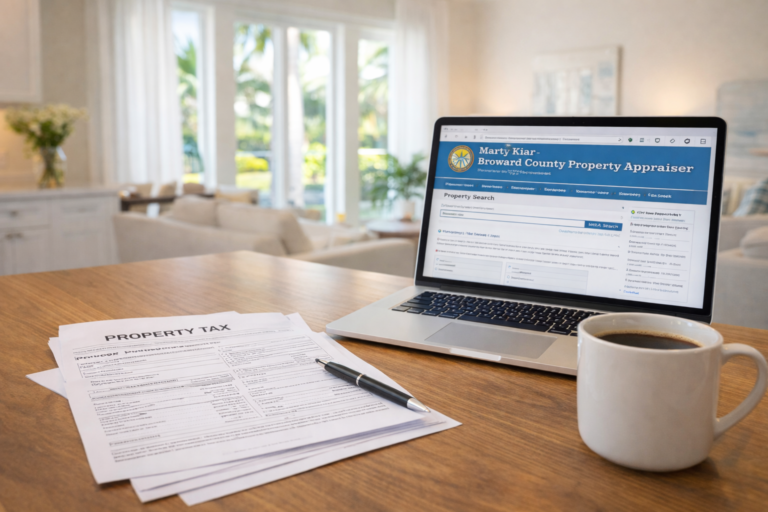
5. Verify the property basics early. Pull the parcel, lot, and tax history at the Broward County Property Appraiser and confirm official records through Broward County so nothing surfaces after your inspection window closes.
Work these five and your deposit stays protected by the contract instead of exposed by a missed date. For a broader view of how buyer protections fit the national contract framework, the National Association of Realtors maintains general homebuyer guidance, and Florida’s broker escrow rules are set out in Chapter 475, Florida Statutes.
Frequently Asked Questions
How much earnest money do you need to buy a home in Davie?
Earnest money in Davie typically runs 1 to 3 percent of the purchase price. On the median Davie home near $530,000 that is roughly $5,300 to $15,900. One percent is the baseline sellers generally accept, and 2 to 3 percent is used to strengthen an offer on a well priced home with competing buyers. The deposit is credited toward your costs at closing, so it is not money spent on top of the purchase.
When is earnest money due in Florida?
Under the standard Florida FAR/BAR contract, earnest money is due within 3 business days of the effective date, which is the day both buyer and seller have fully signed. The broker or title company must place the funds in escrow by the end of the third business day. Have your wire or check ready before you sign so you do not miss the deadline.
Who holds the earnest money deposit?
A neutral third party holds it, usually the title company or the listing broker’s escrow account, never the seller. The escrow holder releases the funds only as the contract specifies or as buyer and seller agree in writing. That neutral hold is what keeps the deposit safe while the transaction works through inspection, financing, and title.
Do you get earnest money back if the deal falls through in Florida?
Usually yes, if you cancel strictly inside a valid contingency and deliver written notice before the deadline. The inspection period on the FAR/BAR AS IS contract defaults to 15 calendar days and lets you cancel for any reason with a full refund. The financing and title contingencies offer the same protection inside their windows. You lose the deposit when you default outside those windows after the contingencies are waived or expired.
Does earnest money go toward the down payment in Davie?
Yes. At closing the deposit is credited toward your purchase price and closing costs, which reduces the remaining cash you bring to the table. It is not a separate fee. If the deal closes, the earnest money simply becomes part of the funds you were already going to pay.
Talk to a Davie Real Estate Expert About Your Offer
A deposit is only risky when you do not know the rules. Anthony Spitaleri, Broker Associate with Coldwell Banker and a Davie native, structures offers so the earnest money strengthens your position without exposing your cash, and tracks every contingency deadline so the deposit stays protected by the contract. If you are getting ready to write on a Davie home, call (954) 235-5783 or book a free 15-minute strategy call and we will set your deposit and your deadlines before you sign.
Anthony Spitaleri, Broker Associate, Coldwell Banker
Davie, Florida
Phone: (954) 235-5783
Web: livingindavieflorida.com
Anthony Spitaleri is a Broker Associate with Coldwell Banker, one of the most established residential real estate brands, founded in 1906. A Davie native who returned home in 2025 after 13 years in Miami Beach, Anthony specializes in luxury homes and estates above $1 million, acreage and equestrian properties with no HOA, and relocation buyers moving to Davie from out of state. He created livingindavieflorida.com, the most in-depth independent Davie real estate resource available, with in-depth coverage of Davie’s gated communities, acreage and equestrian properties, and luxury estates, plus original weekly market data, interactive tools, Town Council recaps, and a 24/7 AI concierge. Anthony has been licensed in real estate since 2013 (BK3281907), is a Certified Strategic Coach through Coaching Services International (CSI), an active member of the Davie Cooper City Chamber of Commerce, and a weekly volunteer at Bit by Bit Therapeutic Riding Center in Davie. Learn more on the about Anthony page.