Buying a Davie Home on Well Water: What Buyers Need to Know (2026)
Is a Davie Home on Well Water a Smart Buy?
A Davie home on well water can be an excellent buy, especially on acreage, but it carries due diligence a city water home does not. Confirm the water source before you offer, plan for a water quality test, and know that FHA, VA, and USDA loans require that test to pass before closing. Private well water in Davie is common in the western acreage ZIP codes and is manageable once you understand it.
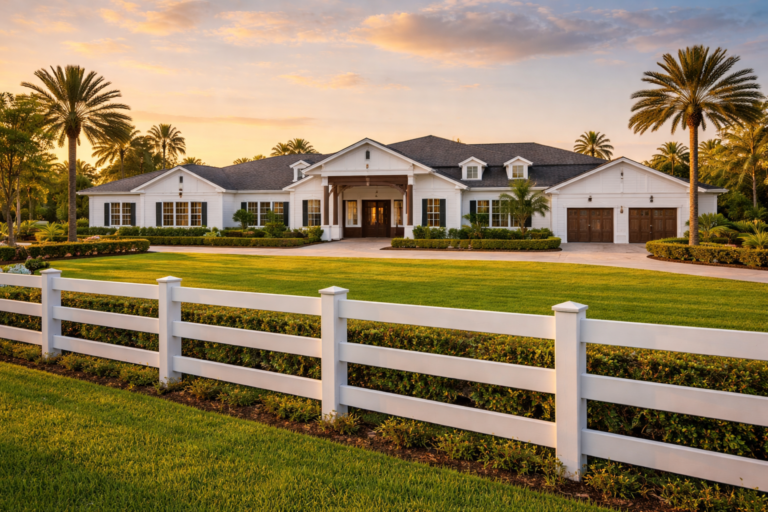
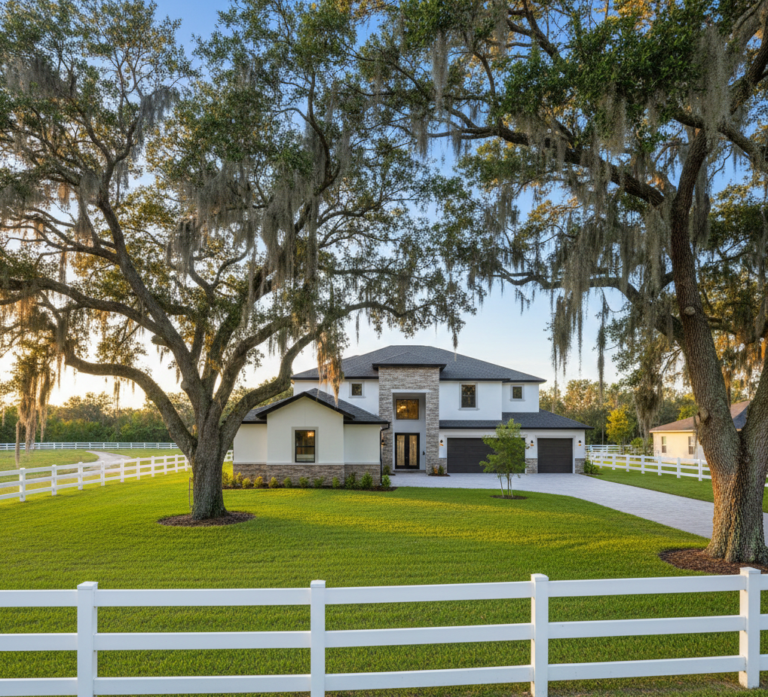
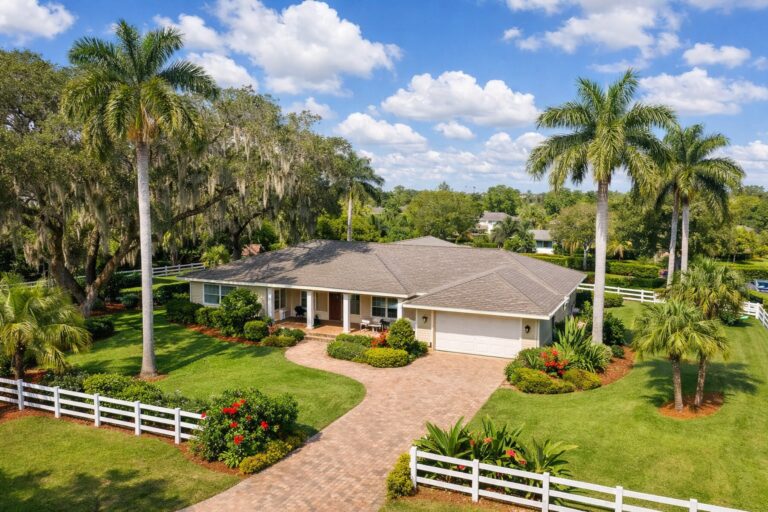
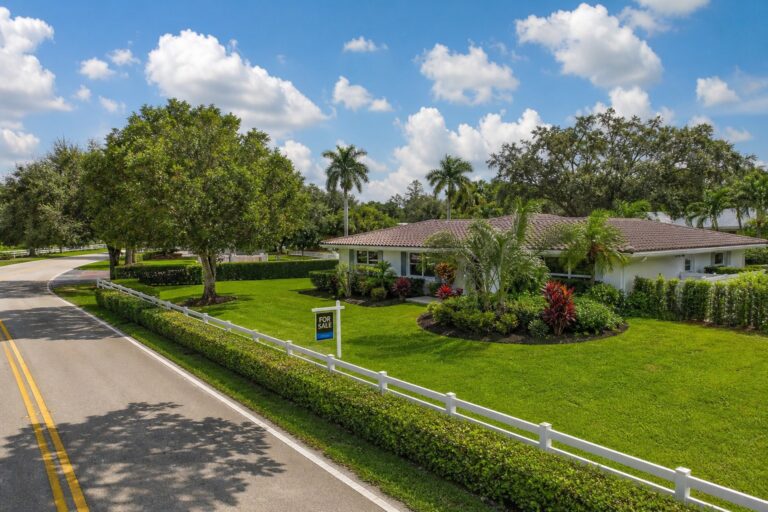
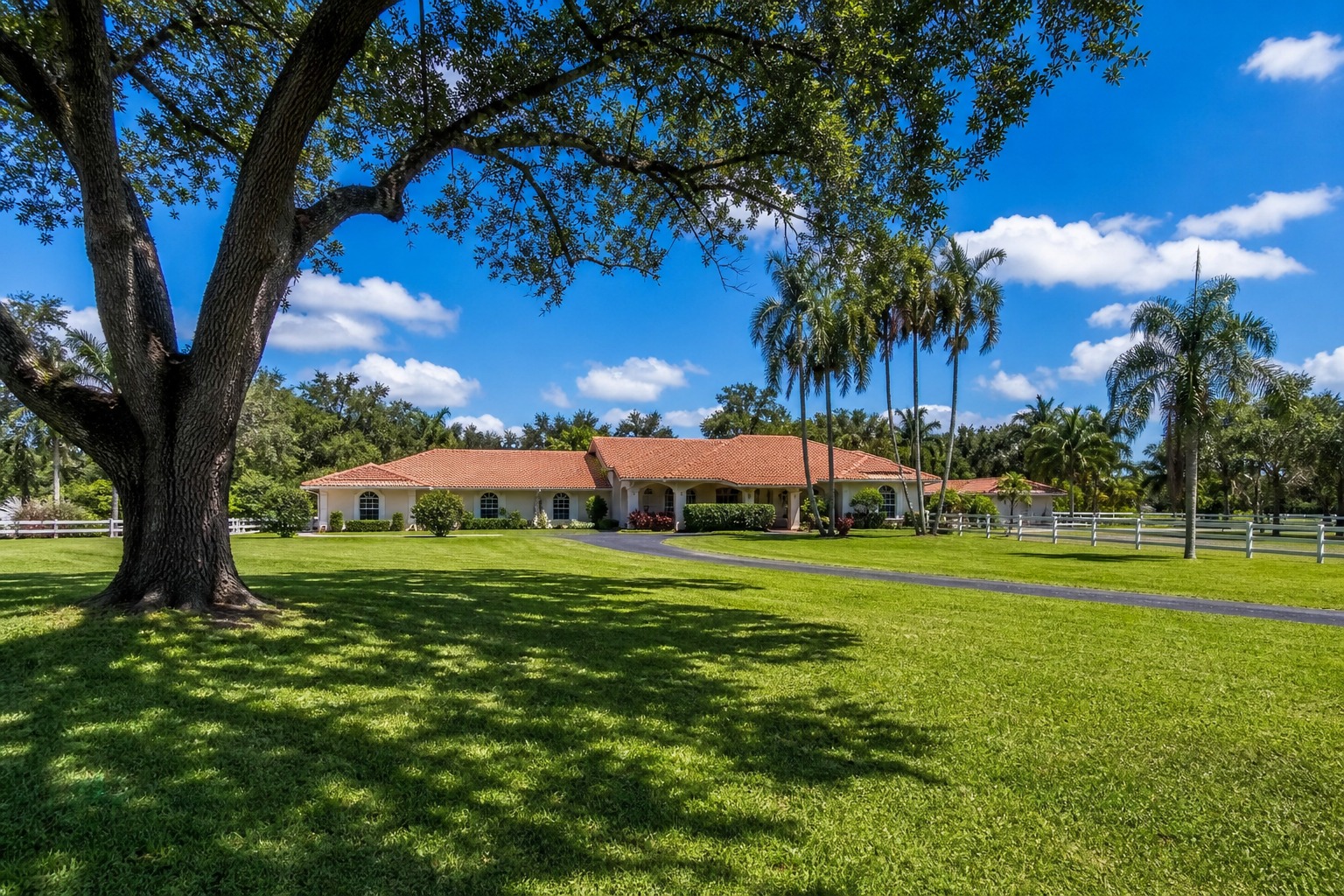
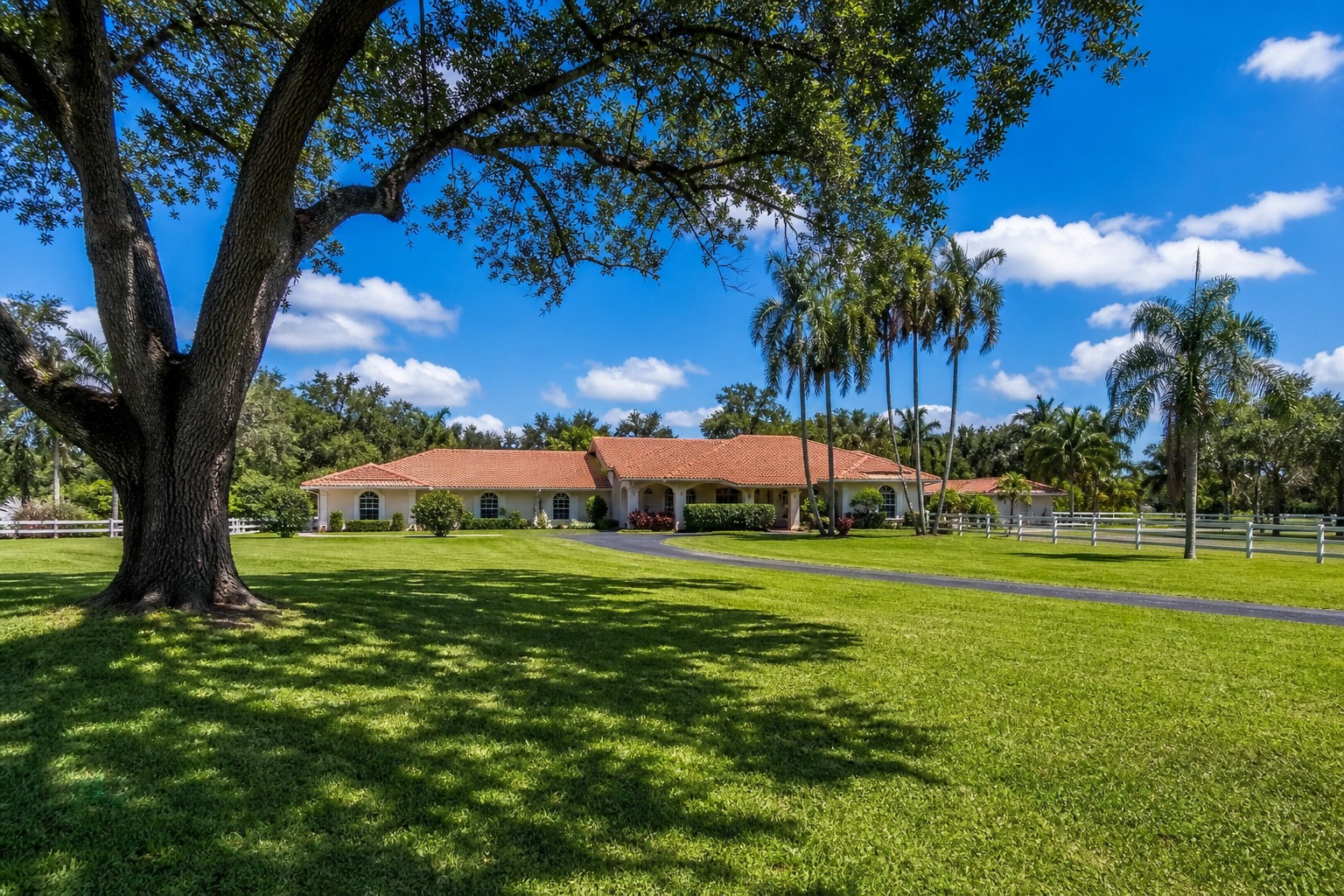
A private well is not a red flag, but it is a responsibility that the listing photos will never show you. Many of the most desirable homes in Davie, the acreage and equestrian parcels with room to breathe and no HOA, sit on a private well and septic system rather than municipal water and sewer. Buyers moving up from a city home or relocating from out of state often reach the contract stage before anyone explains what that actually means for their loan, their inspection, and their monthly cost. This guide walks through what to verify, in order, so a well home becomes a confident purchase instead of a closing-week surprise. For the full purchase walkthrough, start with the Davie home buying guide, and for the acreage segment specifically, the Davie acreage homes overview.
Confirm the Water Source Before You Write the Offer
Do not assume, and do not take the listing’s single word answer at face value. An MLS listing that says “well” tells you the source but nothing about the condition, depth, age, or quality of the system. A listing that says nothing at all may still be on a well, particularly in the western acreage neighborhoods.
Confirm three things in writing before you commit to a number. First, is the drinking water from a private well or from municipal service. Second, is the wastewater on a septic system or connected to sewer, since acreage homes that have a well almost always have septic too. Third, how old is the well and its equipment, including the pump and pressure tank. The seller’s property disclosure should address the water source, and your agent can confirm it against county records and the well permit history. If the home is on a well, that single fact changes your inspection plan and your financing path, which is why it belongs at the top of your checklist rather than buried in week three of the contract.
Is Well Water Safe to Drink in Davie?
Private well water in Davie is commonly safe, but safety is something you verify, not something you assume. Unlike municipal water, which a utility tests continuously, a private well is the homeowner’s responsibility to monitor. That is the real difference, and it is a manageable one.
The Florida Department of Health in Broward County regulates and permits private drinking water wells, and the state offers guidance on what private well owners should test for and how often. You can review the official testing recommendations from the Florida Department of Health and the private well resources published by the US Environmental Protection Agency. The most common water quality issues in South Florida wells are aesthetic rather than dangerous, things like iron staining on fixtures, a sulfur or rotten egg odor, and hard water. Each of these is correctable with a filtration or softening system. The point is that a test gives you the facts, and the facts on a typical Davie well are usually reassuring once the right treatment is in place.
How FHA and VA Financing Treat a Well Home
This is the part most buyers miss, and it is the one that can stall a closing. Your loan program decides whether a water test is optional or mandatory, and government backed loans do not treat it as optional.
- FHA, VA, and USDA loans require a passing water quality test before closing. These programs typically require testing for bacteria such as total coliform and E. coli, plus nitrate and nitrite, and in many cases lead. If a sample fails, the issue must be corrected and the water retested before the loan can clear to close.
- FHA also enforces distance rules between the well and potential contamination sources. A private well is generally required to sit at least 10 feet from the property line, at least 50 feet from a septic tank, and roughly 75 to 100 feet from a septic drainfield, with the local health code prevailing where it is stricter. On a tight lot these distances matter, and on Davie acreage they are usually easy to meet.
- VA appraisals require a water quality test and may call for a flow or quantity check to confirm the well produces enough water, and VA test results are generally treated as valid for about 90 days.
- Conventional loans are more relaxed and often do not require a well test unless the appraiser flags a concern or your purchase contract calls for one.
You can review the official property and loan requirements through the US Department of Veterans Affairs home loan program. Know your loan’s rules before you write the offer, because the testing timeline and any required corrections need to fit inside your contract dates, not collide with them.
What to Test and Inspect Before You Close
Treat the well and septic as their own inspection, separate from the standard home inspection. A general home inspector looks at the house. The well system, the pump, the pressure tank, the flow rate, and the water quality are a specialized review that protects you from the most expensive surprises on an acreage property.
1. Water quality test. A certified lab panel for coliform bacteria, nitrate, and often lead. A basic panel commonly runs from roughly 20 to 100 dollars, and it is the single most important number on a well home.
2. Well system inspection. A qualified well contractor checks the pump, pressure tank, and overall flow rate to confirm the system delivers adequate water pressure and volume for the household.
3. Septic inspection. Since a well home almost always pairs with septic, have the tank and drainfield inspected. To understand how septic differs from a sewer connection and what each means for maintenance, read the Davie septic versus sewer guide.
4. Document the age and service history. Ask for records on the pump, tank, and any treatment equipment so you can budget for replacement.
Fold these into your broader due diligence using the Davie home inspection checklist so nothing gets skipped under the time pressure of the inspection window. For broader context on the buyer process, the National Association of Realtors publishes ongoing research on how buyers shop and transact, and the through line is consistent: a buyer who inspects thoroughly negotiates from a stronger position, and that is doubly true on a well property.
The Real Cost of Owning a Well Home
A well home trades a monthly water bill for periodic maintenance, and the math usually favors the well over time. There is no municipal water charge, which is a real saving, but the system is yours to maintain.
Plan for periodic water testing, occasional pump or pressure tank service over the years, and the upkeep of any filtration or softening system you install to handle iron, sulfur, or hardness. None of these are constant costs, and most years a well home owner spends little. The honest comparison is not well versus city water on price alone. It is a predictable monthly utility bill against an occasional maintenance expense that you control and can plan for. For most acreage buyers in Davie, the lifestyle and lot size the well home delivers far outweigh the modest maintenance it asks in return.
Where Davie Well Homes Are
Private wells cluster in western Davie, where the lots are largest and municipal lines were never extended. If you are shopping the acreage and equestrian segment, expect to encounter well and septic systems regularly.
The neighborhoods most likely to be on a private well sit in ZIP codes 33330, 33325, 33331, and 33326, the western corridor where horse properties, no HOA acreage, and larger estate lots are concentrated. These are the same areas buyers seek out for room, privacy, and the ability to keep horses, and the well is simply part of that rural setting. If acreage living is the goal, the Davie acreage homes overview maps the segment, and understanding the water source early lets you shop these neighborhoods with confidence rather than hesitation.
Putting It Together
Confirm the source, verify the quality, match the test to your loan, and budget for maintenance. That is the whole playbook for buying a Davie home on well water. Start by confirming whether the home is on a well and septic before you write. Plan a water quality test and a well system inspection separate from the standard home inspection. Know whether your FHA, VA, USDA, or conventional loan requires that test to pass, and fit the timeline inside your contract dates. Then weigh the modest, controllable maintenance against the lot size and lifestyle a well home delivers. Done in that order, a private well stops being a question mark and becomes one more thing you handled before you ever signed.
Frequently Asked Questions
Is it harder to get a mortgage on a Davie home with well water?
Not harder, but the rules are stricter on government backed loans. FHA, VA, and USDA loans require a passing water quality test before closing, usually for bacteria, nitrate, nitrite, and often lead, and FHA enforces minimum distance rules between the well and the septic system. Conventional loans are more relaxed and often do not require a test unless the appraiser or contract calls for one. The key is to know your loan’s requirements early so the testing timeline fits inside your contract dates.
Is well water safe to drink in Davie?
It commonly is, but safety on a private well is something you verify rather than assume, because no utility is testing it for you. The Florida Department of Health in Broward County regulates private wells and publishes testing guidance. Most South Florida well issues are aesthetic, such as iron staining, sulfur odor, or hard water, and are correctable with filtration or softening. A certified lab test before closing confirms the water is safe and tells you what treatment, if any, the home needs.
How much does it cost to test well water before buying?
A basic certified lab panel for coliform bacteria, nitrate, and often lead commonly runs from roughly 20 to 100 dollars. A full well system inspection that checks the pump, pressure tank, and flow rate costs more and is separate from both the water test and the standard home inspection. On an acreage purchase, both are worth the small cost because they protect you from the most expensive surprises.
How do I know if a Davie home is on well water or city water?
Start with the seller’s property disclosure and the MLS listing, then confirm against county records and the well permit history with your agent. Homes in the western acreage ZIP codes, including 33330, 33325, 33331, and 33326, are the most likely to be on a private well and septic. Never rely on a single word listing note alone, since the source, age, and condition of the system all affect your inspection and financing plan.
Do I need a separate inspection for the well and septic?
Yes. A standard home inspector evaluates the house, not the specialized well and septic systems. Have a qualified well contractor check the pump, pressure tank, and flow rate, run a certified water quality test, and have the septic tank and drainfield inspected separately. Treating these as their own review is the single best way to avoid a costly surprise after closing on an acreage home.
Talk to a Davie Real Estate Expert
Anthony Spitaleri, Broker Associate with Coldwell Banker and a Davie native, helps buyers evaluate acreage and equestrian homes on well and septic so the water source becomes a verified fact instead of a closing-week scramble. The right approach is to confirm the source, test before you commit, and match your inspection to your loan. Schedule a free 15-minute strategy call and shop Davie acreage with confidence. You can also read more about Anthony.
Anthony Spitaleri
Living in Davie Florida
954-235-5783
Davie, Florida
livingindavieflorida.com
About Anthony Spitaleri
Anthony Spitaleri is a Broker Associate with Coldwell Banker, one of the most established residential real estate brands, founded in 1906. He operates out of the Coldwell Banker Weston office, serving Davie, Weston, Southwest Ranches, and Cooper City. A Davie native who returned home in 2025 after 13 years in Miami Beach, Anthony specializes in luxury homes and estates above $1 million, acreage and equestrian properties with no HOA, and relocation buyers moving to Davie from out of state. He created livingindavieflorida.com, the most in-depth independent Davie real estate resource, with detailed coverage of Davie’s gated communities, acreage and equestrian properties, and luxury estates, plus original weekly market data, interactive tools, Town Council recaps, and a 24/7 AI concierge. Anthony has been licensed in real estate since 2013 (BK3281907), is a Certified Strategic Coach through Coaching Services International (CSI), an active member of the Davie Cooper City Chamber of Commerce, and a weekly volunteer at Bit by Bit Therapeutic Riding Center in Davie.