How to Read Your Closing Disclosure Before You Close in Davie, FL
How do you read a Closing Disclosure before closing on a Davie home?
You compare your five page Closing Disclosure line by line against the Loan Estimate you received at application. Confirm the loan amount, interest rate, and monthly payment on page one, then check the cash to close and the closing cost details on pages two and three for any fee that jumped. Your lender must deliver the Closing Disclosure at least three business days before closing so you have time to catch errors.
The Closing Disclosure is the last document that stands between you and a wire transfer of six figures, and federal law gives you exactly three business days to review it before you sign. That three day window is not a formality. Federal law built it in so you can read all five pages, compare them to the estimate you got when you applied, and question anything that moved. Learning how to read a Closing Disclosure before you close is the difference between catching a fee error before the wire clears and funding it by accident.
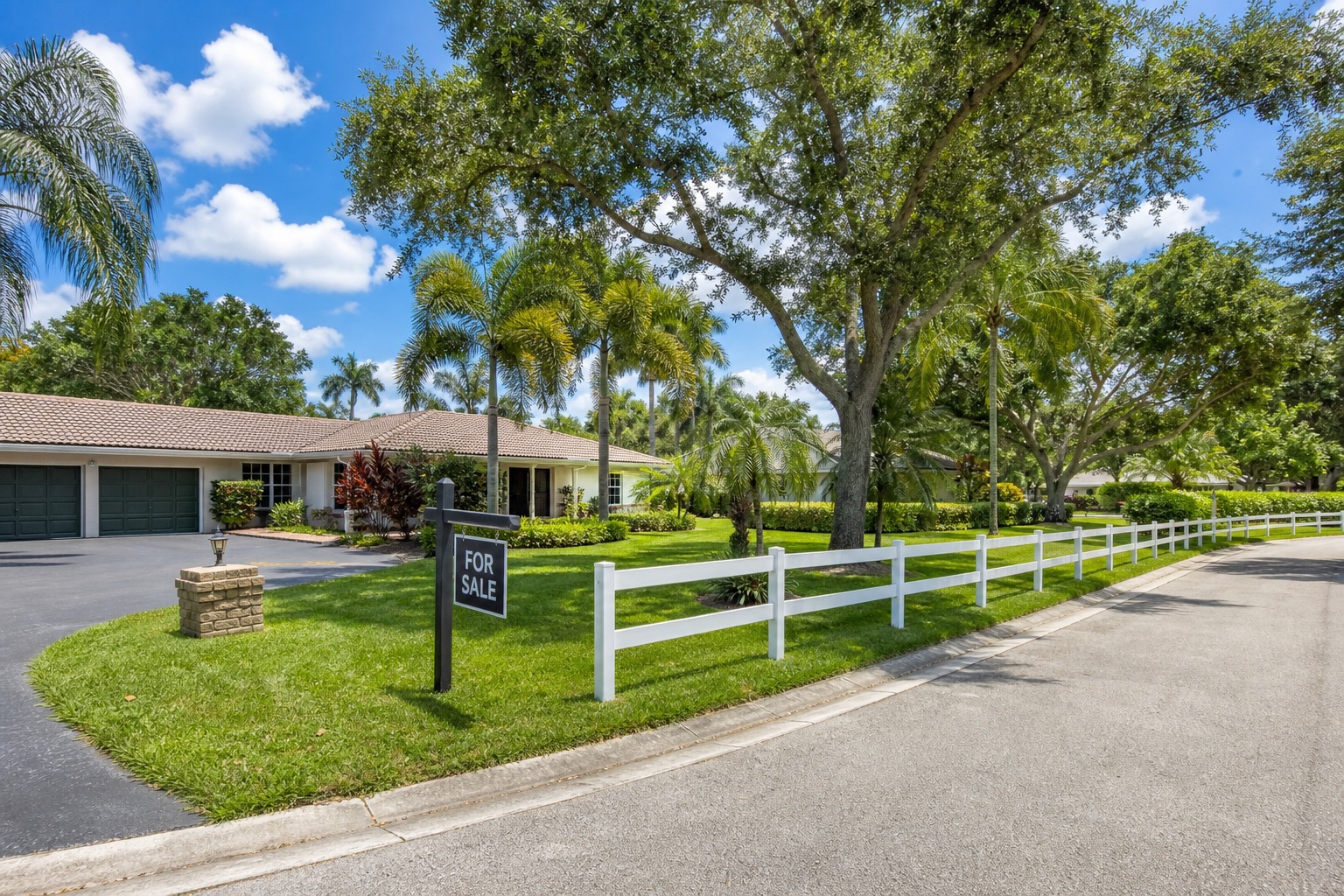
You will run this check on a single family purchase in the Davie market, places like Long Lake Ranches in 33330, Forest Ridge in 33324, and Shenandoah in 33325, where a typical closing carries Broward documentary stamp taxes, a homestead tax proration, and title fees that all show up on the same form. Nothing below is legal or lending advice. Loan terms, tax prorations, and contract deadlines are governed by your specific documents, so confirm anything you find with your lender, your title company, or a Florida real estate attorney before you close.
What the Closing Disclosure is and when it has to arrive
The Closing Disclosure is a five page federal form that lists the final terms of your loan and every dollar you pay at closing. It replaced the old HUD-1 settlement statement in 2015 under the rule most people call TRID. Your lender is required to place it in your hands at least three business days before your scheduled closing date, and the Consumer Financial Protection Bureau enforces that timeline.
The three day rule exists for one reason, which is to give you time to read before you sign. Three specific changes reset that clock and push your closing back. The annual percentage rate increases beyond a small tolerance, the loan product itself changes, for example from a fixed rate to an adjustable rate, or a prepayment penalty gets added. Anything else, including most fee corrections, can be handled at the table without restarting the wait. If your lender tries to hand you the Closing Disclosure the morning of closing, that is a red flag worth a phone call before you drive over.
Compare every Closing Disclosure page to your Loan Estimate
The single most useful thing you can do is put your Closing Disclosure next to your Loan Estimate and read them side by side. The two forms were designed to match. The Loan Estimate you received within three days of applying uses the same categories and the same page structure as the final Closing Disclosure, so a number that changed is easy to spot when the documents sit next to each other. The CFPB Loan Estimate guide shows the mirror layout.
Not every change is a mistake. Federal rules sort your closing costs into three buckets. Some fees cannot increase at all between the estimate and the closing, which includes the lender’s own origination charges and services you were not allowed to shop for. Some fees can rise by up to 10 percent in aggregate, which covers recording fees and services you could shop for but used the lender’s provider. And some can change without any limit, which includes prepaid interest, property taxes, homeowner’s insurance, and any service where you chose your own provider. When you see a number move, the question is not just whether it moved, but which bucket it belongs to.
Here is what to confirm on each part before you sign:
1. Page one, loan terms. The loan amount, interest rate, monthly principal and interest, and whether any of them can increase after closing. These should match your final rate lock.
2. Page one, projected payments. Your total monthly payment including taxes and insurance, and the estimated escrow amount.
3. Page two, loan costs. Origination charges, points, and the services you shopped for versus the ones you did not.
4. Page two, other costs. Recording fees, transfer taxes, prepaids, and your initial escrow deposit.
5. Page three, calculating cash to close. The bottom line number you will wire, compared against the Loan Estimate column right next to it.
6. Page three, summaries of transactions. The full debit and credit ledger for both you and the seller.
What Davie and Broward buyers see that national guides skip
Your Closing Disclosure carries several Florida specific line items that a generic national explainer will not prepare you for. The biggest is the documentary stamp tax. Broward County charges $0.70 per $100 of the sale price on the deed, and on a financed purchase you also pay $0.35 per $100 on the promissory note plus an intangible tax of $0.002 per dollar of the mortgage. On a Davie home around $700,000 with a $560,000 loan, those note and intangible taxes alone run roughly $3,000 at Florida’s documentary stamp and intangible tax rates, and they appear in your closing cost detail, not as a surprise at the table. The full county picture sits in the Davie closing costs guide. The underlying rates are set by Florida statute. The documentary stamp rates are published by the Florida Department of Revenue.
The second Florida item is the property tax proration. Broward taxes are paid in arrears, so your Closing Disclosure will credit or debit the prorated share between you and the seller based on the closing date. If the home you are buying will be your primary residence, the homestead exemption and the Save Our Homes assessment cap change what your taxes look like going forward, though your first year proration is based on the seller’s current bill. You can verify the current assessment on the property against the Broward County Property Appraiser record before you close. The way these carrying costs land is the same reason the Davie cost of living picture matters before you commit.
In Broward the buyer typically selects the title company, which means the title and settlement fees in your closing cost detail reflect the provider you chose. That is a shopped for service, so if those numbers rose from your estimate, they can, and the increase is not automatically an error. If you are selling a Davie home in the same move, the Davie seller net sheet shows the mirror image of these lines on the other side of the table. This whole review is one step inside the larger process of buying a home in Davie, which is where Anthony Spitaleri, a Broker Associate with Coldwell Banker and a Davie native, builds the full cost picture with every buyer before the Closing Disclosure ever arrives.
Frequently Asked Questions
How many days before closing do I get the Closing Disclosure in Florida?
Your lender must deliver the Closing Disclosure at least three business days before your scheduled closing, under the federal TRID rule. Business days for delivery include Saturdays but exclude Sundays and federal holidays. If you receive it late or a major term changes, the closing date moves back so the three day window stays intact.
What is the difference between a Loan Estimate and a Closing Disclosure?
The Loan Estimate is the good faith estimate you receive within three business days of applying for the loan, and the Closing Disclosure is the final version you receive three business days before closing. They use the same layout on purpose so you can compare them line by line. The Loan Estimate predicts your costs, and the Closing Disclosure confirms the exact amounts you will pay.
What should I check first on my Closing Disclosure?
Start with page one and confirm the loan amount, interest rate, and monthly payment match your rate lock, then go to page three and check the cash to close figure against the Loan Estimate column beside it. Those two checks catch the largest errors fastest. After that, work through the closing cost detail on page two for any individual fee that jumped.
Can closing costs increase between the Loan Estimate and the Closing Disclosure?
Yes, but only within limits set by federal rule. Lender origination charges cannot increase at all, a group of shoppable and recording fees can rise by up to 10 percent in aggregate, and items like property taxes, prepaid interest, and insurance can change without limit. A number that moved is not automatically a mistake, so identify which category the fee belongs to before you raise it.
Who do I call if a number on my Closing Disclosure looks wrong?
Call your lender and your title or settlement agent as soon as you spot it, because the three day window exists so these questions get resolved before you sign. For a fee dispute or a term that changed, the lender is the first call. For anything involving title, prorations, or the deed, your title company or a Florida real estate attorney should review it before you close.
Talk to a Davie Real Estate Expert
Anthony Spitaleri, Broker Associate with Coldwell Banker and a Davie native, builds the full closing cost picture with every buyer before the Closing Disclosure arrives, not after the wire clears. He maps the Broward documentary stamp taxes, the homestead proration, and the title and settlement fees for your specific price point, then reviews the final disclosure against that number so nothing on the form surprises you. If you want to walk into your Davie closing with every line already understood, Schedule a free 15-minute strategy call and close with all the numbers known.
Anthony Spitaleri
Living in Davie Florida
954-235-5783
Davie, Florida
livingindavieflorida.com
About Anthony Spitaleri
Anthony Spitaleri is a Broker Associate with Coldwell Banker, one of the most established residential real estate brands, founded in 1906. A Davie native who returned home in 2025 after 13 years in Miami Beach, Anthony specializes in luxury homes and estates above $1 million, acreage and equestrian properties with no HOA, and relocation buyers moving to Davie from out of state. He created livingindavieflorida.com, the most in-depth independent Davie real estate resource available, with in-depth coverage of Davie’s gated communities, acreage and equestrian properties, and luxury estates, plus original weekly market data, interactive tools, Town Council recaps, and a 24/7 AI concierge. Anthony has been licensed in real estate since 2013 (BK3281907), is a Certified Strategic Coach through Coaching Services International (CSI), an active member of the Davie Cooper City Chamber of Commerce, and a weekly volunteer at Bit by Bit Therapeutic Riding Center in Davie.