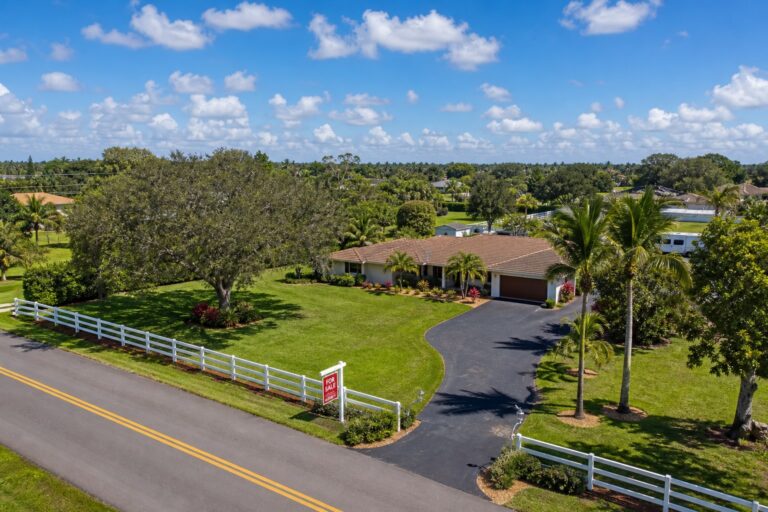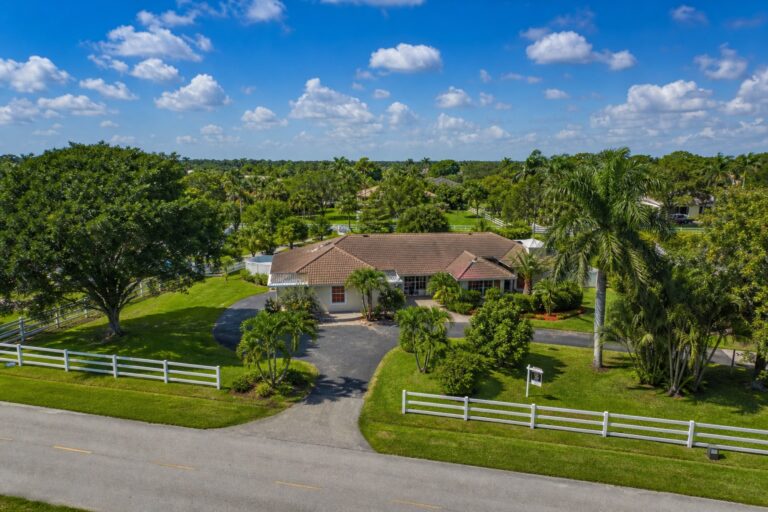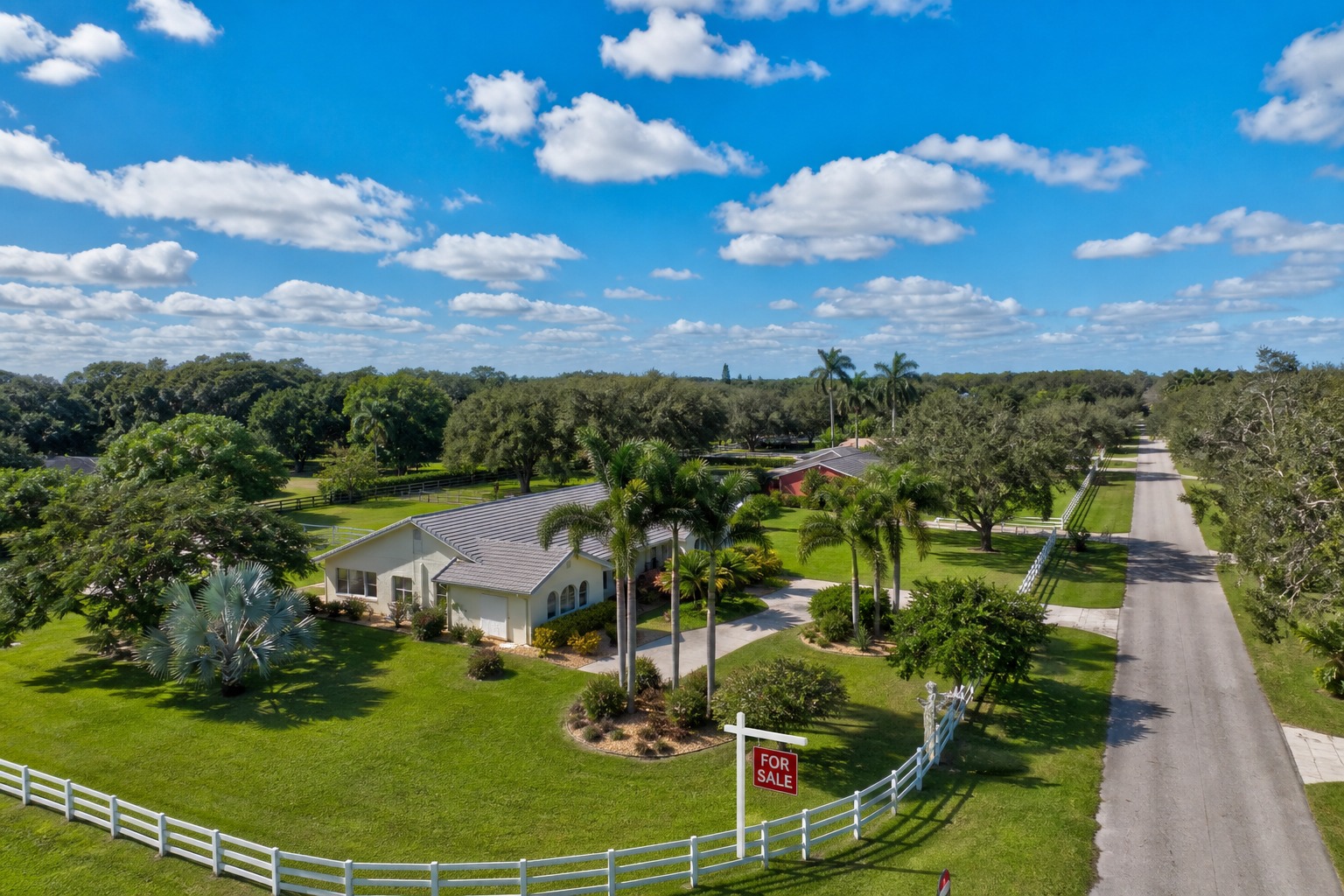
Florida Seller Disclosure Rules for Davie Home Sellers
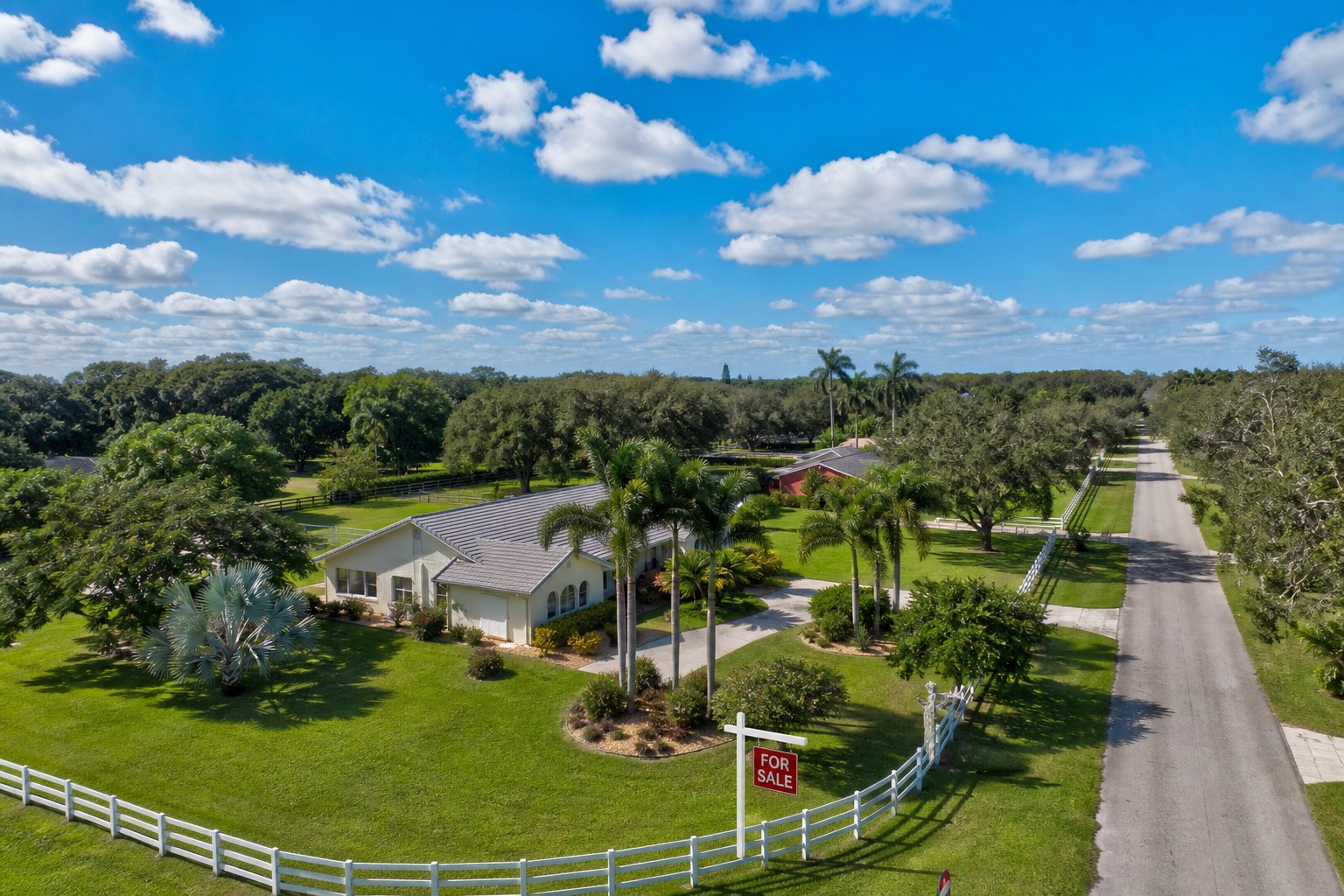
What must you disclose when selling a house in Davie, Florida?
Florida seller disclosure law requires you to tell the buyer about any known defect that materially affects the home’s value and is not readily visible. This duty comes from Johnson v. Davis and applies even in an as is sale. Since October 2024, Davie sellers must also disclose prior flood claims in writing.
The single biggest mistake Davie sellers make is assuming the buyer’s inspection is their problem, not yours. It is not. In Florida, the seller carries an affirmative legal duty to speak up about what they already know. You do not get to stay quiet and let the buyer find it. If you know about it, and it matters, and the buyer cannot see it walking through, you have to disclose it. That rule holds whether you sell with an agent, for sale by owner, or as is.
The Johnson v. Davis rule that governs every Florida sale
Florida’s seller disclosure duty comes from one 1985 case, Johnson v. Davis, decided by the Florida Supreme Court. The court ruled that when a seller of a home knows of facts that materially affect the value of the property, and those facts are not readily observable and not known to the buyer, the seller has a duty to disclose them. Almost every disclosure question in Florida traces back to that sentence.
Break it into three parts, because all three have to be true before a disclosure is legally required. First, you have to actually know about the condition. Second, it has to materially affect value, which means it changes what a reasonable buyer would pay. Third, it has to be something the buyer could not readily observe on a normal walkthrough. A cracked driveway the buyer can see is not a hidden defect. A roof that leaks only in heavy rain is.
Most Davie sellers satisfy this in writing through the Seller’s Property Disclosure form, the standard document your agent provides. It walks you through the structure, the roof, the electrical and plumbing systems, drainage and flooding, termites, additions and permits, and any HOA or legal matters. You answer what you know. You are allowed to answer that you do not know something if that is genuinely true. What you cannot do is claim ignorance of a problem you are actually aware of.
Selling as is does not cancel your duty to disclose
An as is sale in Florida limits your repair obligations, not your disclosure obligations. This is the point that costs sellers the most and surprises them the most. When you sell as is on the standard Florida contract, you are telling the buyer you will not make repairs, and the buyer gets an inspection period to investigate and cancel. That is all as is does. It does not give you permission to hide a known defect.
Florida courts have been clear on this. In Rayner v. Wise Realty Co. of Tallahassee, the court confirmed that an as is clause does not block a buyer’s claim when the seller concealed a known latent defect. Think of it as two separate lanes. As is controls who fixes what. Johnson v. Davis controls what you have to reveal. Selling as is and staying silent about a known problem is how sellers end up in court after the closing they thought was final. If you want to understand how the as is path affects your bottom line, start with your seller net sheet so you know your actual walkaway number before you list.
The Florida flood disclosure law every Davie seller now faces
Since October 1, 2024, Florida requires a separate written flood disclosure at or before you sign the contract. This is Florida Statute 689.302, and it is newer than most sellers realize. It requires you to tell the buyer, in writing, two specific things. Whether you have ever filed a flood insurance claim on the property, and whether you have ever received federal flood assistance, such as FEMA aid, for the home.
This matters more in Davie than in most Florida towns. Large sections of Davie sit inside FEMA Special Flood Hazard Areas, particularly the western acreage corridor around 33330 and the neighborhoods that back up to the C-11 drainage basin. If your home has a flood history, that history follows the property, and now the law puts it in writing before the buyer commits. You can confirm your own flood zone through the FEMA Flood Map Service Center and read the deeper local picture in the guide to Davie flood zones. The statutory text lives at Florida Statute 689.302. This flood disclosure stacks on top of the Johnson v. Davis duty. It does not replace it.
What Davie sellers most often forget to disclose
The disclosures Davie sellers miss are almost always the same short list of items. Roof leaks and prior roof repairs come first, because a repaired leak is still a material fact a buyer wants to know. Drainage and water intrusion come second, closely tied to the flood rules above. Then come the Davie specific ones. Unpermitted work is the quiet killer here. Many acreage homes in Davie around 33330 have added barns, garage enclosures, guest structures, or pool cages over the years, and some were built without a permit. That is a known material fact, and it is disclosable.
Round out the list with termite or wood destroying organism damage, any prior sinkhole claim, structural or foundation movement, and older plumbing or drywall problems. If you are unsure whether an addition on your property was permitted, the Town of Davie building department keeps the records, and the Broward County Property Appraiser shows the recorded square footage against what actually exists on the lot.
Here is how to handle disclosure the right way as a Davie seller.
1. Write down every condition you know about the home before you list, including things you already repaired.
2. Complete the Seller’s Property Disclosure form fully and honestly, and answer do not know only when it is genuinely true.
3. Complete the separate flood disclosure under Statute 689.302, listing any prior flood claim or federal flood assistance.
4. Keep copies of receipts, permits, and repair records so a fixed issue reads as handled, not hidden.
Handled this way, disclosure protects you. It turns a repaired problem into proof you dealt with it, and it closes the door on a post closing lawsuit. The cost of full disclosure is a slightly harder conversation before the sale. The cost of hiding a defect is a fraud claim that can follow you for four years after the buyer moves in. Knowing your closing costs and your disclosure obligations together is what lets you list with confidence rather than exposure.
Frequently Asked Questions
Is a seller disclosure form required by law in Florida?
Florida law does not require a specific form, but it does require the disclosure itself. The duty to reveal known material defects comes from Johnson v. Davis, and the Seller’s Property Disclosure form is simply the standard way sellers satisfy that duty in writing. Skipping the form does not remove the legal obligation behind it.
Do I have to disclose a problem I already fixed?
Yes, if it was a material defect and the repair does not fully remove the concern. A roof that leaked and was repaired is still a fact a reasonable buyer would want to know, and courts treat prior repairs as disclosable. Keep your receipts and permits so the repair reads as resolved rather than concealed.
Does selling my Davie home as is mean I disclose nothing?
No. Selling as is means you will not make repairs and the buyer investigates during the inspection period. It does not cancel your duty to disclose known defects that are not visible. Florida courts have confirmed an as is clause does not protect a seller who hid a known problem.
Can a buyer sue me after closing for something I did not disclose?
Yes. A buyer who discovers a concealed known defect can bring a fraud or nondisclosure claim, and in Florida that window generally runs up to four years. This is the exact risk that full written disclosure is designed to close before you ever reach the closing table.
Do I have to disclose flooding if I never filed an insurance claim?
The 2024 flood disclosure law specifically asks whether you filed a claim or received federal flood assistance, so no claim means those boxes are answered accordingly. Separately, if you know the home floods or has drainage problems, that knowledge is still a material fact under Johnson v. Davis and remains disclosable regardless of any insurance claim.
Talk to a Davie Real Estate Expert
Anthony Spitaleri, Broker Associate with Coldwell Banker and Davie native, walks every seller through the full disclosure and net sheet before the home ever hits the market, not after a buyer raises a problem at closing. If you want to know exactly what your specific Davie property requires you to disclose and what you will actually walk away with, the next step is a direct conversation. Schedule a free 15-minute strategy call and list your home with every obligation and every number known.
Anthony Spitaleri
Living in Davie Florida
954-235-5783
Davie, Florida
livingindavieflorida.com
About Anthony Spitaleri
Anthony Spitaleri is a Broker Associate with Coldwell Banker, one of the most established residential real estate brands, founded in 1906. A Davie native who returned home in 2025 after 13 years in Miami Beach, Anthony specializes in luxury homes and estates above $1 million, acreage and equestrian properties with no HOA, and relocation buyers moving to Davie from out of state. He created livingindavieflorida.com, the most in-depth independent Davie real estate resource available, with in-depth coverage of Davie’s gated communities, acreage and equestrian properties, and luxury estates, plus original weekly market data, interactive tools, Town Council recaps, and a 24/7 AI concierge. Anthony has been licensed in real estate since 2013 (BK3281907), is a Certified Strategic Coach through Coaching Services International (CSI), an active member of the Davie Cooper City Chamber of Commerce, and a weekly volunteer at Bit by Bit Therapeutic Riding Center in Davie.